Hiring speakers for a party: how to choose the right sound
Short answer
Choose speakers based on the number of guests, the size of the venue and whether people will dance. For a drinks reception and speeches, two speakers on stands are often enough, but a dance floor also needs a subwoofer. Ideally hire with delivery and set-up, so the sound is tested before your guests arrive.
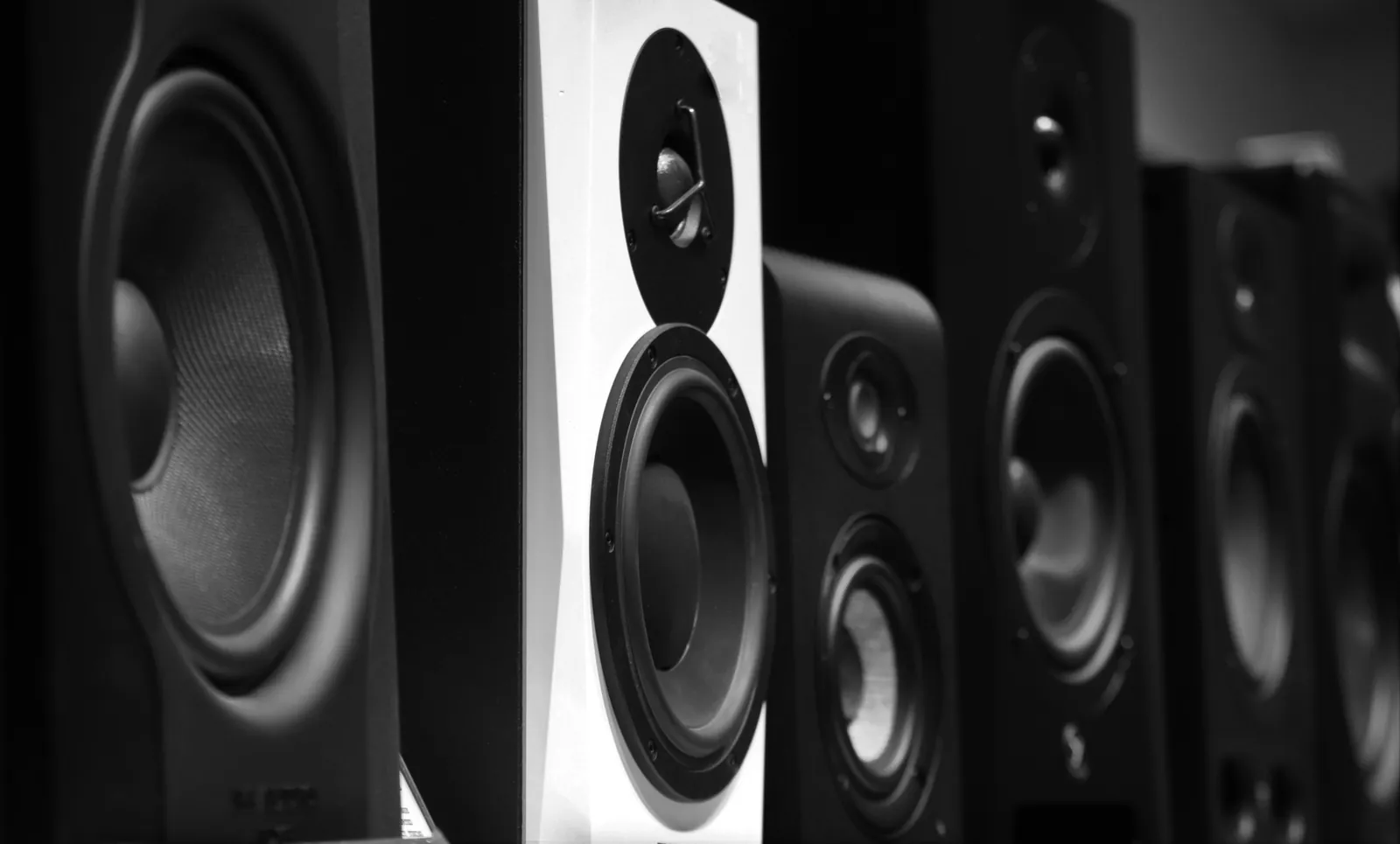
Good sound goes unnoticed, but bad sound is obvious straight away. The speeches can't be heard at the back, the music distorts when the volume goes up and the dance floor feels thin. Whether you're planning a wedding, a birthday party or a corporate event, the speakers carry both the music and the speeches. Here we go through how to choose the right sound, so you neither hire too little nor pay for more than you need.
Do you need to hire sound?
Start by finding out what the venue already has. Many restaurants, hotels and party venues have a sound system that a DJ or troubadour can plug into, in which case you may not need to hire anything at all. Ask the venue what speakers they have, whether there's a microphone and whether the system can handle dancing or just background music. A hired venue with no sound, a garden or a marquee, on the other hand, means you have to bring everything yourself.
If you've booked a DJ or a band, ask whether they bring their own sound. It's common, but not always included in the price. Read more in our guide How much does a DJ cost?
How much sound do you need?
The number of guests and what they'll be doing matter most. Use the table as a starting point.
| Occasion | What you usually need |
|---|---|
| Drinks reception and background music | Two speakers on stands and a simple mixer |
| Dinner with speeches | Two speakers and a wireless microphone |
| Party with a dance floor | Two speakers and a subwoofer for the bass |
| Larger event or outdoors | More speakers, several subwoofers and someone to run the sound |
Outdoors you need more sound than indoors, because there are no walls to hold the sound in. A large room with a high ceiling also needs more than a smaller room with the same number of guests. That's why many hire companies package their sound by number of people, for example packages for up to 120, 200 or 300 guests, so you don't have to work it out yourself.
Why watts don't tell the whole story
It's easy to assume that more watts means louder and better sound, but watts mainly tell you how much power the amplifier can deliver. How loud a speaker actually goes also depends on how efficiently it turns that power into sound. Two speakers with the same wattage can therefore sound completely different. It's better to compare which events and how many guests a package is designed for, and ask the hire company what they recommend for your venue.
Bass is another thing that's often underestimated. Ordinary speakers don't reproduce the lowest notes very well, and those are what make a dance floor feel full. If people are going to dance, a subwoofer is almost always worth it.
What's in a sound package
A complete party sound package usually consists of a few parts that need to work together.
- Speakers, usually active with a built-in amplifier, on stands.
- A subwoofer if there's going to be dancing.
- A mixer to plug in a phone, computer or DJ equipment.
- One or two wireless microphones for speeches.
- Cables, and ideally delivery, set-up and collection.
Active speakers have the amplifier built in and are the easiest option if you don't work with sound. Passive speakers need a separate amplifier and suit situations where a technician is running the sound.
Placement and volume
Place the speakers in front of the dance floor or stage, pointing at the audience, and ideally raised on stands so the sound travels over people's heads rather than straight into the front row. Don't put the microphone in front of the speakers, as that causes feedback, the howling noise you get when the microphone picks up its own sound. Test the sound before your guests arrive, with both music and the microphone, and walk around the room to hear how it sounds at the back. Also check whether the venue or the neighbours impose a noise limit.
What to ask before you hire
Say how many guests are coming, how big the venue is, whether it's indoors or outdoors and whether there will be dancing or speeches. Then ask what's included: microphones, cables, stands and a mixer. Find out whether delivery, set-up and collection are included, what happens if something stops working during the evening and when the equipment needs to be returned. Bokaljud hires out sound packages by number of guests, with delivery and set-up, so the sound is ready when the party starts.
If you're also booking an artist, read what to consider when booking a DJ, or book a DJ directly on Jocky. Planning a wedding? We have a guide to your wedding music.
Frequently asked questions about hiring speakers
How many speakers do you need for a party?
For a drinks reception and speeches, two speakers on stands and a microphone are often enough. If there's going to be dancing you'll also need a subwoofer, and larger groups or outdoor events need more sound. Many hire companies package their sound by number of guests, so you can choose the right set-up without doing the maths yourself.
Do you need a subwoofer for a party?
Yes, if people are going to dance. Ordinary speakers don't reproduce the lowest notes very well, and it's the bass that makes a dance floor feel full. For a drinks reception, dinner and speeches you usually don't need a subwoofer.
Are more watts always better?
No. Watts mainly tell you how much power the amplifier can deliver, not how good or how loud the speaker sounds. It's better to compare how many guests and what type of event the sound package is designed for.
Does the DJ bring their own speakers?
It varies. Many DJs can bring sound for an extra fee, while others expect the venue to have a sound system. Always ask what's included before you book, so you don't hire sound unnecessarily or end up without any.
What should you consider when hiring speakers?
Give the number of guests, the size of the venue and whether there will be dancing, speeches or both. Ask whether microphones, a mixer and cables are included, and whether delivery, set-up and collection are included. Always test the sound before your guests arrive.