How to plan your wedding music, from drinks reception to the last song
Short answer
Split the wedding day into ceremony, drinks reception, dinner and party, and decide which music and which artist suit each part. Book early, send the artist a schedule and agree who looks after the speeches and the microphone.
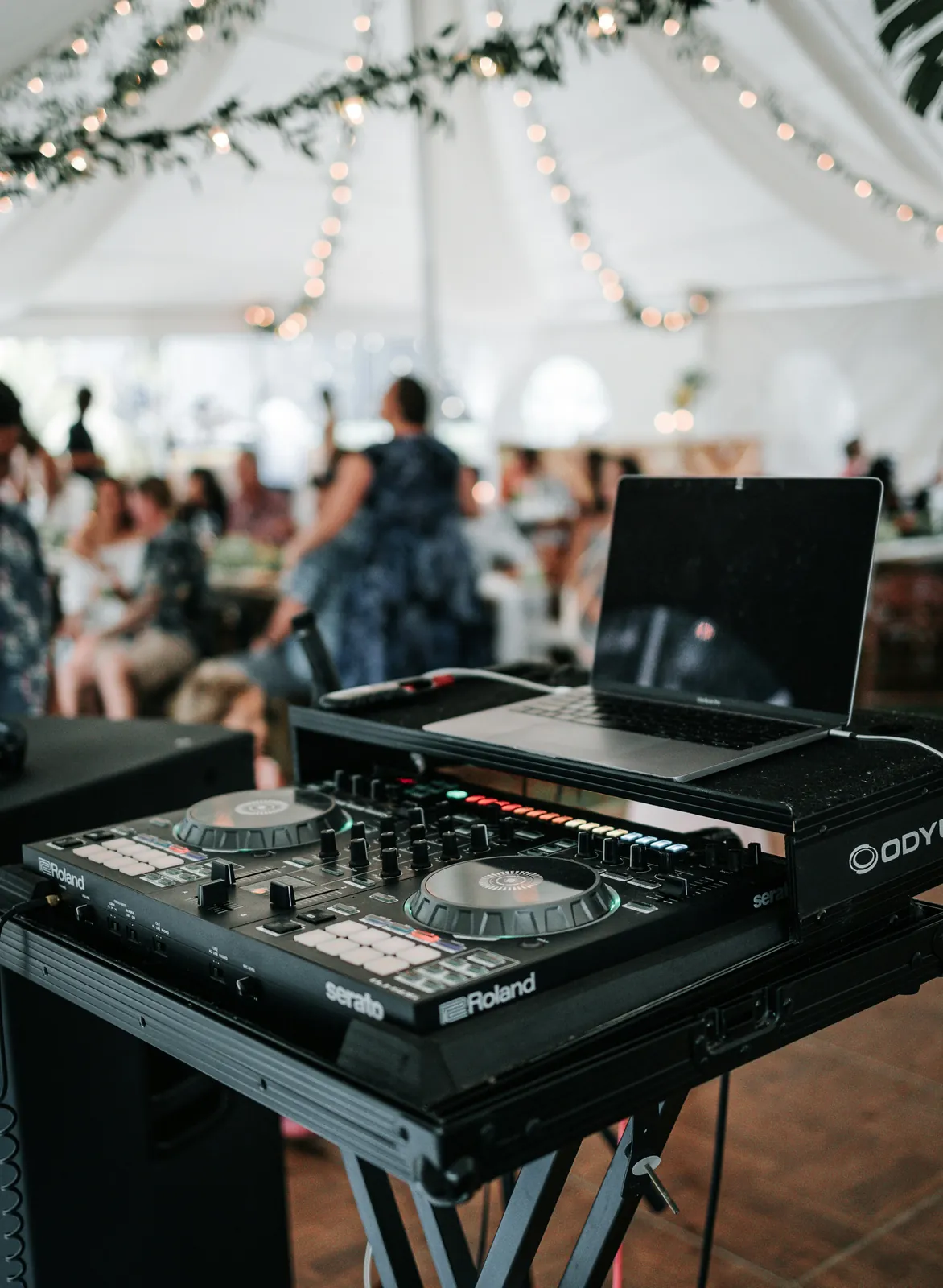
Music runs through the whole wedding day, from the moment guests take their seats before the ceremony to the last song on the dance floor. The best planning does not start with which artist you want, but with what the day looks like. Once you know that, it is easy to choose the right music for each part and give the artist what they need.
The four parts of the day
The ceremony
During the ceremony you need music for three moments: when guests take their seats, when you walk in and when you walk out as a married couple. Choose songs that mean something to you and decide how long each part should last. Live music, such as a singer or a saxophonist, does a lot for the atmosphere, but needs proper sound if the ceremony is outdoors.
The drinks reception
The drinks reception is for talking, so the music should stay in the background. A troubadour, a duo or a DJ playing calmer music works well. Think about the volume: guests should be able to hear each other.
The dinner
At dinner, the pace is set by the speeches, games and serving of courses. The music should fill the gaps without taking over. The most important thing here is that the artist or DJ has a microphone for the speeches and knows who the toastmaster is.
The party
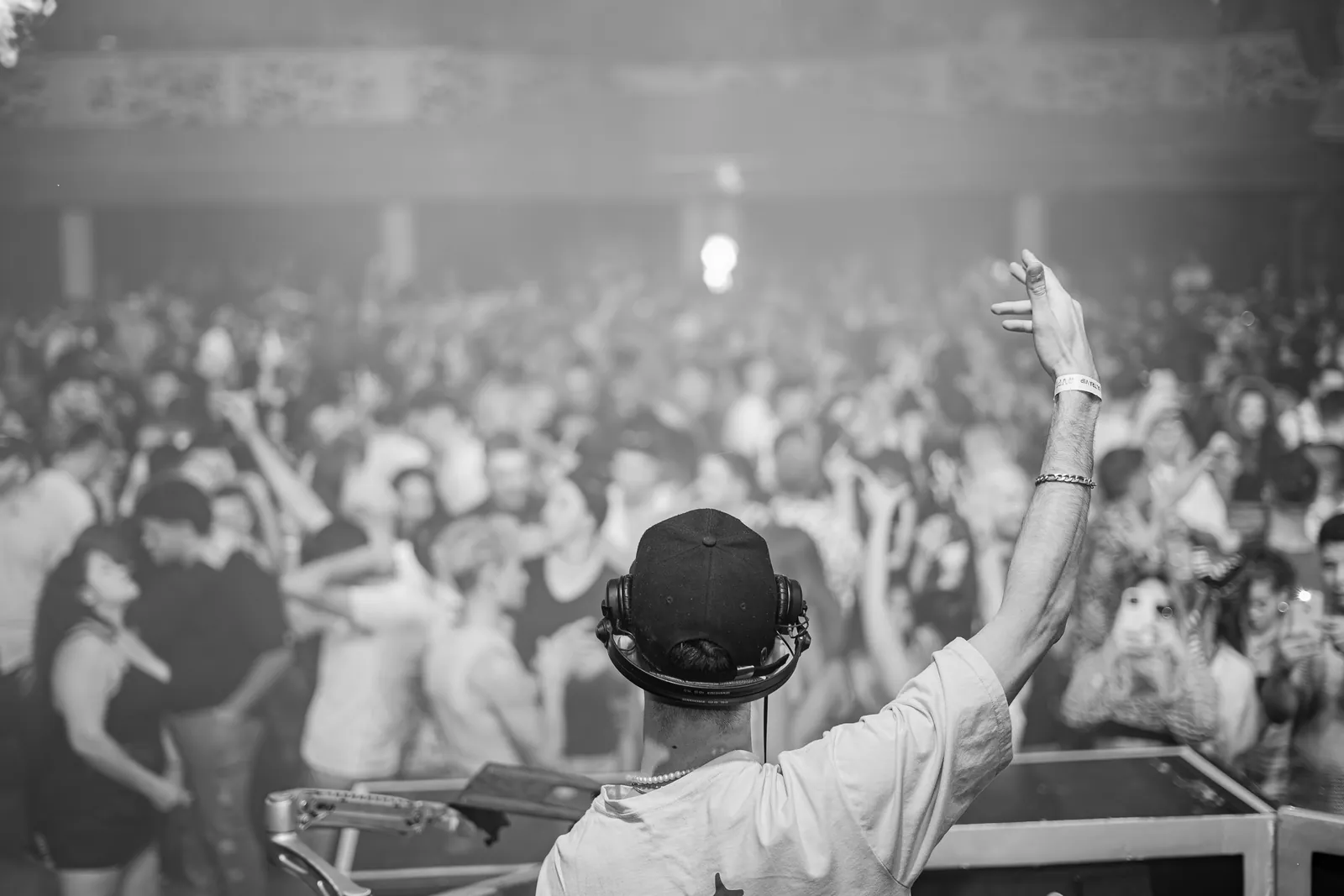
After the cake, the dancing starts, and this is where the right artist makes the biggest difference. The music should build the energy step by step and suit the mix of guests, from cousins to colleagues.
DJ, band or troubadour?
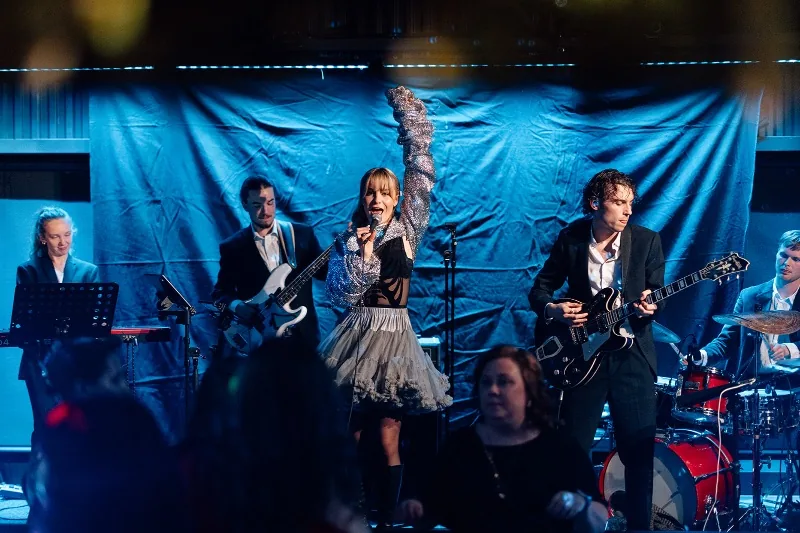
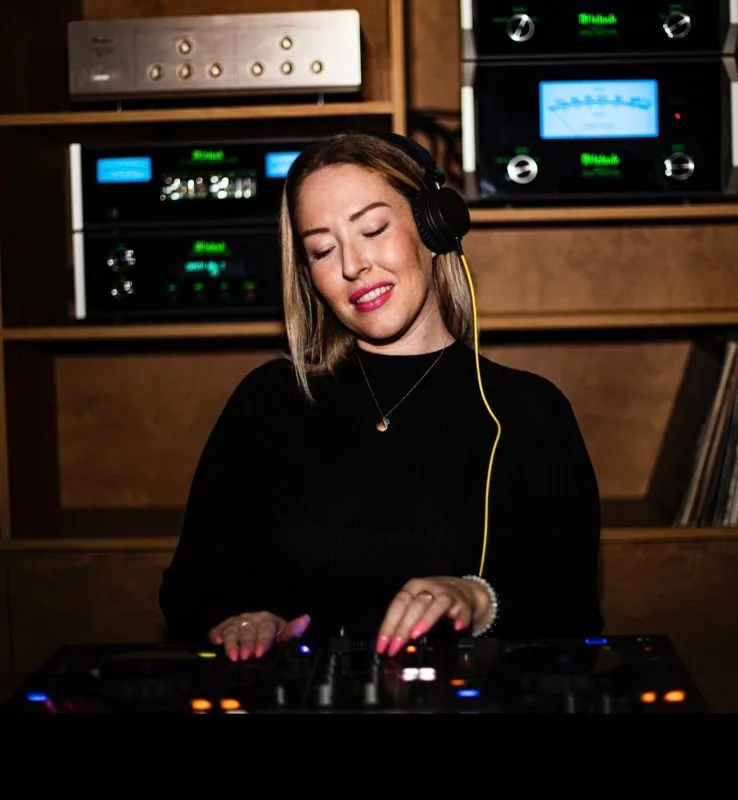
A DJ gives you the most range: the right song for every part of the night and a dance floor that can keep going for hours. A live band gives an experience guests talk about afterwards, but plays in sets with breaks and costs more. A troubadour, an acoustic singer-guitarist, is especially good for the drinks reception and dinner. Many couples combine them, for example a troubadour for the reception and a DJ for the party, or a band first and a DJ afterwards. Not sure what suits you? Read the guide to choosing wedding entertainment. See what it costs in our guides to DJs, live bands and troubadours.
The first dance
The first dance is often the most photographed moment of the night. Choose the song in good time and send it to the artist, ideally with the exact version and where it should start and end. If you want the band to play it live, ask whether they know it or need to rehearse it. Decide what happens straight afterwards too, so the dance floor fills up rather than empties.
The schedule
A schedule is the most important thing you can give the artist. Write down when the artist should arrive, when each part of the day begins and who the contact person is during the evening. Include speeches, games, the cake and the first dance. Weddings almost always run late, so agree overtime terms in the contract.
- Arrival time and where the artist should set up.
- Times for the ceremony, drinks reception, dinner, speeches, cake and first dance.
- Songs for the ceremony and the first dance, including the exact version.
- Name and phone number of the toastmaster or contact person.
- Songs and genres that should not be played.
The last song and the after-party
The end of the night matters as much as the start. Decide in advance when the music should stop and which song should close the party, so the night ends with a shared moment rather than the music simply going quiet. Check what time the venue needs the music switched off, and whether it can be extended for a fee. If you are planning an after-party somewhere else, tell the artist, so the music can lead everyone there rather than stopping dead.
When should you book?
Book the music as soon as the date and venue are set. Saturdays in summer are the most popular wedding dates, and good artists get booked up early. It is worth reading what to consider when booking a DJ before you send a request, or book a DJ straight away on Jocky.
Frequently asked questions about wedding music
What music should you have at a wedding?
Split the day into ceremony, drinks reception, dinner and party, and choose music for each part. Calmer music suits the reception and dinner, while the party needs music that gets every generation dancing. Give the artist a list of favourites and any songs you do not want played.
Is a DJ or a band better for a wedding?
It depends on what you want. A DJ gives you the most range and can keep the dance floor going all night for a lower price. A band makes more of an impression but plays in sets. Many couples combine the two, for example a band first and a DJ afterwards.
How far in advance should you book music for a wedding?
Book as soon as the date and venue are set, ideally several months ahead. Saturdays in summer are the most in demand, and good artists get booked up early. The earlier you book, the more choice you have.
Does the DJ need a microphone for the speeches?
Yes, make sure there is a wireless microphone for speeches and games, and that the artist knows who the toastmaster is. Ask whether a microphone is included in the price. If the venue has its own sound system, the speeches can sometimes go through that.